Snacking Between Meals

Why Less Is More

By 𝒜𝓃𝑔𝒾𝑒 𝑀🌸𝒽𝓇

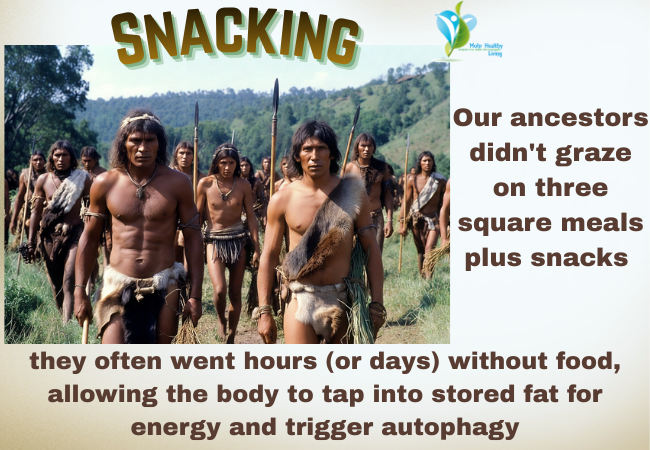
Constant snacking—even “keto-friendly” ones—can quietly sabotage your progress. Digestion uses a ton of energy, pulling resources away from repair, healing, and fat-burning. Our ancestors didn’t eat three meals plus snacks; they went long stretches without food, letting the body burn stored fat and trigger autophagy (cellular cleanup and recycling).


Dr. Sten Ekberg explains that skipping snacks during intermittent fasting keeps insulin low, reverses insulin resistance, promotes ketosis, and builds metabolic flexibility—your body learns to switch fuels efficiently without constant input. Dr. Eric Berg adds that every eating event spikes insulin (even keto snacks), which can stall fat loss, block fat adaptation, and keep you hungry. Frequent small carbs throughout the day create repeated insulin surges, paving the way for insulin resistance, metabolic issues, and type 2 diabetes over time.

If you truly need a snack, choose low-carb options like full-fat kefir with inulin/glycine/stevia, a boiled egg, or avocado — no rollercoaster. Save carbs for right before activity so they get burned, not stored.

You already fast overnight during sleep — that’s when detox and repair peak, including the brain’s glymphatic system flushing toxins and waste through cerebrospinal fluid while you rest. Extending the fast (no evening/morning eating) amplifies fat-burning, deeper detox (including glymphatic clearance), and lower inflammation. I keep carbs to once a day mostly — no blood sugar/insulin roller coaster all day. As Dr. Berg says, less frequent eating normalizes insulin and lets the body heal.


Leave a Reply

Your email address will not be published. Required fields are marked *

This site uses Akismet to reduce spam. Learn how your comment data is processed.