Benefits of Kefir & Instructions

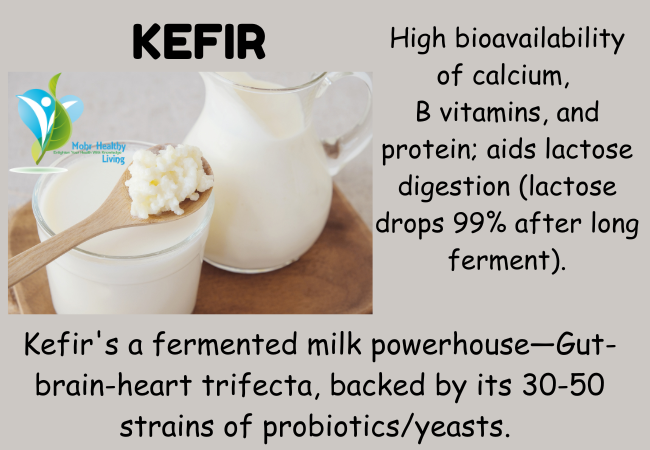
Kefir’s a fermented milk powerhouse—Gut-brain-heart trifecta, backed by its 30-50 strains of probiotics/yeasts (way more diverse than yogurt). Top perks:
  • Gut Health: Restores microbiome balance, eases IBS/Crohn’s symptoms (reduces bloating by 50% in studies), and boosts immunity via short-chain fatty acids.
  • Nutrient Boost: High bioavailability of calcium, B vitamins, and protein; aids lactose digestion (lactose drops 99% after long ferment).
  • Anti-Inflammatory & Detox: supports healthy lipid balance and liver detox, and fights oxidative stress—great for skin, joints, and post-meal blood sugar stability.
  • Sleep/Mood: Tryptophan + probiotics enhance serotonin/melatonin (gut-brain axis); Evening sips instead of snack attacks hack aligns perfectly for unwind without crashes.
  • Bonus: Long-ferment (48-72h) version cuts carbs to ~1-2g/cup, making it keto-friendly while amping tangy probiotics.
Overall, it’s “yogurt’s wild cousin”—more effervescent, versatile, and healing, but start slow if new (1/4 cup/day) to avoid die-off.
Best Temps & Why
Room temp for balanced cultures—avoid extremes to preserve diversity:
  • Ideal Ferment Temp: 68-77°F (20-25°C) for 24-72h first ferment. Why? Warmer (80°F+) favors yeasts (fizzier, less probiotic depth); cooler (below 65°F) slows bacteria, risking off-flavors. 48-72h at room temp hits the sweet spot for max lactose breakdown without separation.
  • Fridge Second Ferment: 35-40°F (2-4°C) for 1-7 days post-grains. Why? Slows over-acidification, infuses flavors (berries/vanilla), and preserves heat-sensitive vitamins/probiotics better than counter (less CO2 loss).
Grain Amounts per Quart of Milk
  • Beginner/Standard: 1-2 tbsp grains (10-20g) per quart (1L) milk. Why? Enough to kickstart without overwhelming—ferments in 24-48h; too many grains rush it to whey-off fails.
  • Long-Ferment Style: Stick to 1 tbsp/quart for 48-72h—prevents over-acid and keeps grains healthy.
Homemade with Grains vs. Store-Bought
Grains = superior ecosystem:
  • Homemade Wins:
  • Strain Diversity: 30-50+ live strains (Lactobacillus, yeasts) vs. store’s 5-10 (pasteurized/weakened for shelf life).
  • Custom Control: Long ferments cut sugars 80-99%; add flavors freely. Thicker, tangier, probiotic-dense (up to 10x CFUs).
  • Cost/Health: Pennies per batch; no additives (Use the best dairy milk you can get).
  • Store-Bought Downsides: Thinner, sweeter (residual lactose), lower potency; backslopping (making kefir by adding milk to kefir) fails after 2-3 gens (loses microbes). Lifeway’s okay for starters, but grains evolve for better results.
Steps to Make Kefir (Your Notes’ Simplified Method)
  • Prep: Use clean glass jar; 1 tbsp grains per quart milk (2% grass-fed/A2 ideal—skim fat if unhomogenized or blend first to make smooth.).
  • Combine: Add milk to jar with grains; cover (I use a plastic lid, some use cloth with elastic band).
  • First Ferment: Room temp (68-77°F), 24-48h (or 48-72h for sour/low-carb). Stir daily (I rarely do this); floating grains/thicker consistency/tang signal done (there should be no separation if balanced).
  • Strain: Use fine mesh strainer (you can lose some baby grains if not fine mesh); pour kefir into clean jar—grains go back into original jar for next batch. (I use the same jar several times until I can’t get the crusty dried kefir off of the threads of jar very easily. Using the same jar kickstarts the next batch).
  • Second Ferment (Optional): Add flavors (berries/vanilla); fridge 1-7 days for infusion/thickness.
  • Store & Enjoy: Fridge up to 2 weeks; start with 1/4 cup/day.
Why Freezing the Grains Creates Better Grains (and Thicker Kefir)
Freezing acts as a “microbial reset”—cold stress kills off weaker yeasts/bacteria, favoring resilient strains (e.g., kefiran-producing Lactobacillus) that rebound stronger. Post-thaw:
  • Thicker Texture: More EPS (exopolysaccharides like kefiran) for thicker consistency—no separation.
  • Better Diversity: Selects hardy bugs, amping probiotic potency over time (evolves like natural selection).
  • Why It Works: Grains “sleep” 1-3 months frozen; revive slowly (small milk volumes) for 20-30% thicker output vs. pre-freeze. (Defrost in fridge, add to 4-6 oz milk. Change milk daily until milk starts to thicken and grains often float) Then you are back in business and can start making kefir in a full 1 quart jar again.
Why Thicker Kefir is Better (Separation is Not)
  • Thicker = Win: High kefiran/EPS from balanced ferments = probiotic stability, better gut adhesion, and creamier mouthfeel. Indicates healthy grain evolution—smoother digestion, less whey loss.
  • Separation = Red Flag: Whey-off (curds floating) signals imbalance—too many grains/hot temps rush yeast dominance, creating CO2 bubbles that split it. Not “bad” (drinkable), but less nutrient-dense (whey’s watery, curds fatty). Fix: Cooler temps, fewer grains, or fridge second ferment to stabilize. Freeze grains for a few days and reactivate as above.

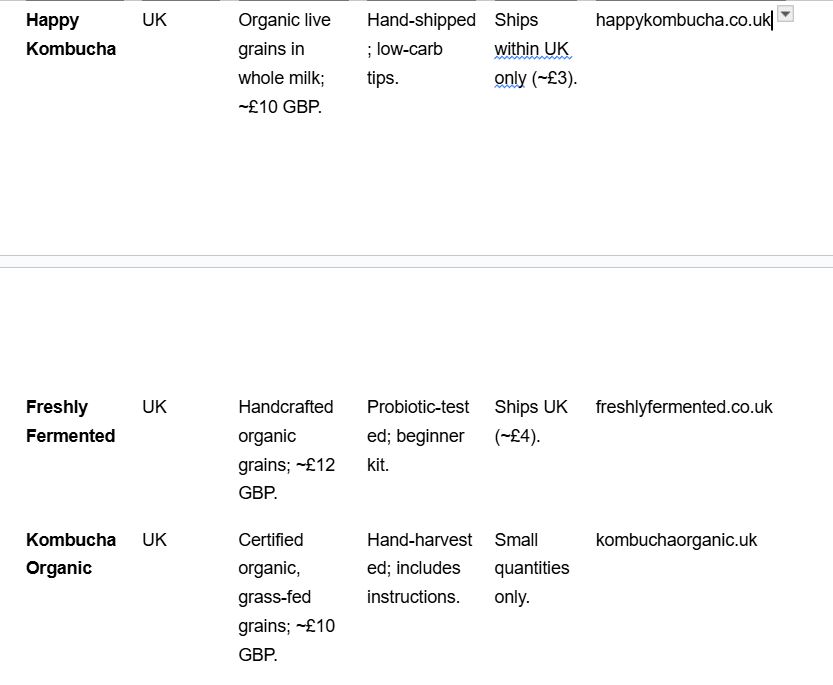
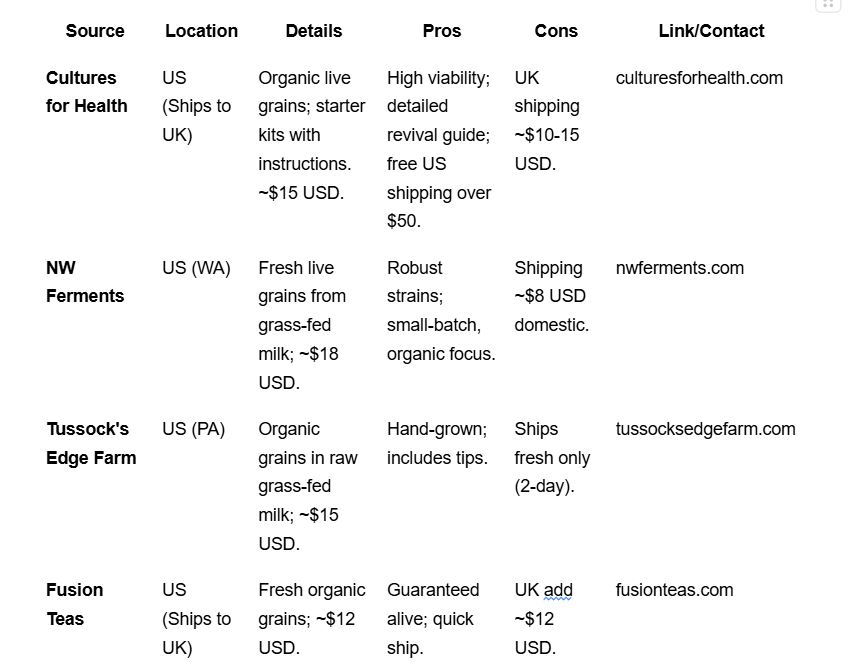
WHERE TO GET KEFIR GRAINS

Kefir’s that rare “easy win” for gut/sleep/detox.

4 Responses

    1. I don’t understand. Kefir grains are kefir grains. I left info on where you can get them or see if anyone near you has some to share. Check Marketplace etc.Get fresh, not dehydrated

    1. I don’t know all the brands of kefir. I’d read the label for added ingredients, the less ingredients the better and of course organic would be best. It is easy to make though. If you have a health food store near you they may carry the better brands.

Leave a Reply to Maria Cancel reply

Your email address will not be published. Required fields are marked *

This site uses Akismet to reduce spam. Learn how your comment data is processed.